Journalism Studies
In an era where information shapes public discourse and drives societal change, understanding how news is created, distributed, and consumed has never been more critical. Journalism studies offers a rigorous academic framework for examining these processes, moving beyond the practice of reporting to analyze the systems, ethics, and cultural impacts of media. For students passionate about communication and truth-seeking, this field provides both intellectual depth and practical relevance.
Whether you’re considering a degree program, exploring career transitions, or simply curious about the academic discipline behind newsrooms and digital platforms, journalism studies encompasses a rich tapestry of subjects. This comprehensive overview examines the foundational concepts, educational pathways, career opportunities, and evolving skills that define this dynamic field of study.
What Is Journalism Studies?
Journalism studies is an academic discipline that critically examines journalism as both a professional practice and a social institution. Unlike vocational journalism training that focuses primarily on reporting techniques, journalism studies employs scholarly methods to understand how media organizations function, how information flows through society, and how journalistic norms evolve over time.
This field draws from multiple disciplines including sociology, political science, cultural studies, and communication theory. Scholars investigate questions like: How do newsroom cultures influence what gets reported? What role does journalism play in democratic societies? How have digital technologies transformed the relationship between journalists and audiences? These theoretical inquiries complement practical skills training, creating graduates who can both produce quality journalism and understand its broader implications.
Think of it as the difference between learning to cook and studying culinary science. Both are valuable, but journalism studies provides the analytical lens to examine why certain narratives dominate, how media power operates, and what responsibilities accompany the privilege of informing the public. This critical perspective has become increasingly essential as misinformation, platform algorithms, and changing business models reshape the media landscape.
Core Disciplines Within Journalism Studies
The field encompasses several interconnected areas of focus, each contributing unique perspectives to understanding modern media. Students typically encounter these foundational disciplines throughout their academic journey.
Media Theory and Communication
This foundational area explores how messages are constructed, transmitted, and interpreted across different platforms. Students examine agenda-setting theory, framing analysis, and gatekeeping processes that determine which stories reach audiences. Classical theories from scholars who shaped our understanding of mass communication provide context for analyzing contemporary phenomena like filter bubbles and algorithmic curation.
Investigative Research Methods
Academic journalism programs teach systematic approaches to uncovering information, from data journalism techniques to freedom of information requests. Students learn qualitative methods like interviewing and participant observation alongside quantitative skills such as statistical analysis and visualization. These research competencies enable both rigorous reporting and scholarly examination of media practices.
Media Law and Ethics
Understanding legal frameworks governing press freedom, defamation, privacy, and intellectual property is crucial for responsible journalism. Ethics courses examine dilemmas journalists face daily: when to protect sources, how to balance public interest against potential harm, and navigating conflicts of interest. These discussions prepare students for the moral complexities inherent in truth-telling professions.
Educational Pathways and Academic Programs
Journalism studies programs exist at various academic levels, each offering distinct advantages depending on your career stage and goals. Undergraduate degrees typically provide broad foundations in media literacy, writing fundamentals, and introductory theory alongside general education requirements. These programs suit students beginning their academic journey who want comprehensive preparation for entry-level media positions.
Graduate programs offer specialization opportunities for those deepening expertise or shifting careers. Master’s degrees might focus on specific areas like science journalism, documentary production, or digital media innovation. Doctoral programs train researchers and professors who advance the field through scholarly inquiry. Some institutions now offer hybrid formats combining online coursework with intensive on-campus workshops, accommodating working professionals.
Curriculum design varies significantly between programs. Some emphasize hands-on production across platforms—writing, video, podcasting, multimedia storytelling. Others prioritize critical analysis and research methods. The strongest programs integrate both approaches, recognizing that effective practitioners benefit from theoretical grounding while scholars need practical understanding of how journalism actually works.
Career Opportunities After Journalism Studies
Graduates pursue diverse career paths, leveraging both specialized journalism skills and transferable competencies valued across industries. The field has expanded well beyond traditional newsrooms, though those remain important employment sectors.
Traditional Media Roles
Print, broadcast, and digital news organizations continue hiring reporters, editors, producers, and photojournalists. Positions exist at local newspapers, regional television stations, national magazines, and international news agencies. While the industry faces economic pressures, demand persists for journalists who can deliver accurate, engaging content across multiple platforms. Specialized beats like health, technology, or investigative reporting often offer more stability than general assignment positions.
Digital and Emerging Fields
The digital transformation has created entirely new career categories. Content strategists help organizations craft compelling narratives, while social media managers curate information across platforms. Fact-checkers combat misinformation at dedicated verification organizations. Data journalists build interactive visualizations for media outlets and research institutions. Corporate communications, nonprofit storytelling, and brand journalism roles apply journalistic principles outside traditional news contexts, often offering competitive salaries and benefits.
Additionally, journalism studies graduates excel in adjacent fields requiring research, communication, and analytical skills: public relations, marketing, policy analysis, education, and user experience research. The ability to synthesize complex information and present it clearly translates across countless professional contexts.
Essential Skills for Success in Journalism Studies
Thriving in this field requires developing both technical competencies and personal attributes. While specific tools and platforms evolve rapidly, certain foundational capabilities remain constant:
- Critical thinking and verification: The ability to evaluate sources, identify bias, and distinguish credible information from propaganda or error
- Clear writing and storytelling: Conveying complex ideas accessibly while maintaining accuracy and nuance across different formats and audiences
- Digital literacy: Comfort with content management systems, social platforms, basic coding, audio/video editing, and emerging technologies
- Ethical judgment: Navigating moral dilemmas with integrity, understanding when transparency serves the public and when discretion protects vulnerable sources
- Adaptability and resilience: Embracing change in a rapidly evolving industry while maintaining professional standards amid deadline pressure and criticism
Successful students actively cultivate these competencies through coursework, internships, and independent projects. Building a portfolio demonstrating versatility across platforms—written pieces, multimedia projects, research papers—strengthens both academic credentials and professional prospects. Engaging with diverse perspectives and communities enriches storytelling abilities and cultural competence.
How Digital Transformation Shapes the Field
The shift from analog to digital has fundamentally restructured journalism education and practice. Academic programs increasingly emphasize multiplatform production, teaching students to conceptualize stories that work across text, audio, video, and interactive formats simultaneously. Courses on audience analytics help journalists understand how content performs and reaches different demographics.
Social media has collapsed traditional gatekeeping structures, enabling direct journalist-audience relationships while creating new challenges around harassment and misinformation. Students learn to build professional networks, engage constructively with readers, and maintain boundaries in always-connected environments. The rise of mobile journalism and remote reporting expands possibilities while demanding new technical competencies.
Perhaps most significantly, automation and artificial intelligence are beginning to handle routine tasks like earnings reports or sports summaries, pushing human journalists toward higher-value work requiring empathy, context, and investigative depth. Forward-thinking programs prepare students for this reality by emphasizing distinctly human skills: source relationship building, ethical reasoning, and creative storytelling that algorithms cannot replicate.
Journalism studies equips students with both timeless principles and contemporary tools for navigating our complex information ecosystem. Whether your goal involves producing impactful stories, analyzing media systems, or applying communication skills in adjacent fields, this discipline offers rigorous preparation for meaningful work. As media continues evolving, the need for thoughtful, well-trained professionals who understand journalism’s role in society only grows more urgent.

How to Start Using OSINT Techniques for Investigative Journalism
Effective OSINT is not a list of tools, but a disciplined investigative methodology for uncovering the truth hidden in plain sight. Mastering geolocation (satellite imagery, 3D models) and asset tracking provides undeniable, physical proof that refutes false narratives. Strict operational…
Lire la suite
How to Teach Media Education to a Generation Raised on TikTok?
In summary: Shift from authoritative lecturing to asking Socratic questions that tap into a teenager’s innate desire for autonomy and resistance to being manipulated. Focus on deconstructing emotional manipulation and creator intent behind content, rather than just labeling information as…
Lire la suite
Which Digital Verification Tools Are Essential for Every Modern Newsroom?
In summary: Effective digital verification isn’t about having the most tools, but about building an intelligent workflow that leverages the unique strengths of each one. For images, a triangulation approach using Google, Yandex, and TinEye provides the most comprehensive picture…
Lire la suite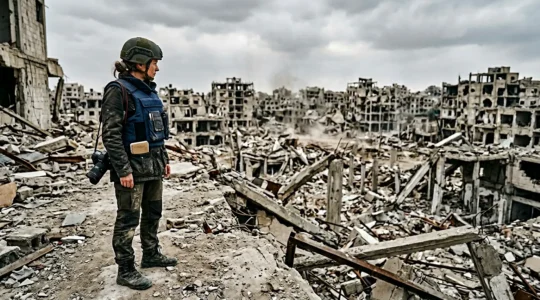
How to Cover Complex Global Events Without Oversimplifying?
Reporting on complex conflicts is not about finding an elusive ‘objective’ truth, but about mastering disciplined frameworks to manage asymmetric information and operational friction. Effective coverage requires shifting from journalistic ideals to field-tested protocols for verification, source interaction, and personal…
Lire la suite
Beyond the Facts: How to Develop Intellectual Analysis Skills That Set You Apart
True analytical power for a journalist comes not from gathering more facts, but from applying specific mental frameworks to see the hidden story. Effective analysis requires moving from reporting isolated events to identifying systemic patterns. Synthesizing contradictory information is a…
Lire la suite
Beyond the Byline: Why Theory is a Journalist’s True Secret Weapon
Contrary to the belief that journalism is all about practical skills, the real key to a durable and impactful career lies in theoretical knowledge. While technical abilities are temporary tools, understanding history, sociology, and logic provides the permanent strategic blueprint….
Lire la suite
Beyond the Inverted Pyramid: How to Find Your Creative Voice in Hard News
In summary: Journalistic creativity is not about adding decorative language, but about making disciplined structural choices to enhance factual reporting. Moving beyond the inverted pyramid involves using narrative arcs, unconventional angles, and layout to guide the reader’s experience. A true…
Lire la suite
How to Master Fact-Checking: A Systematic Guide for Your First Story
In summary: Publishing factual errors is a career risk; generic advice like « check your sources » is insufficient protection. Effective fact-checking is not a task, but a systematic, zero-trust process designed to eliminate errors before they happen. Mastering this system involves…
Lire la suite